
















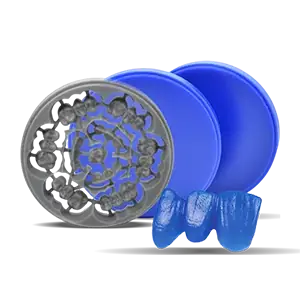






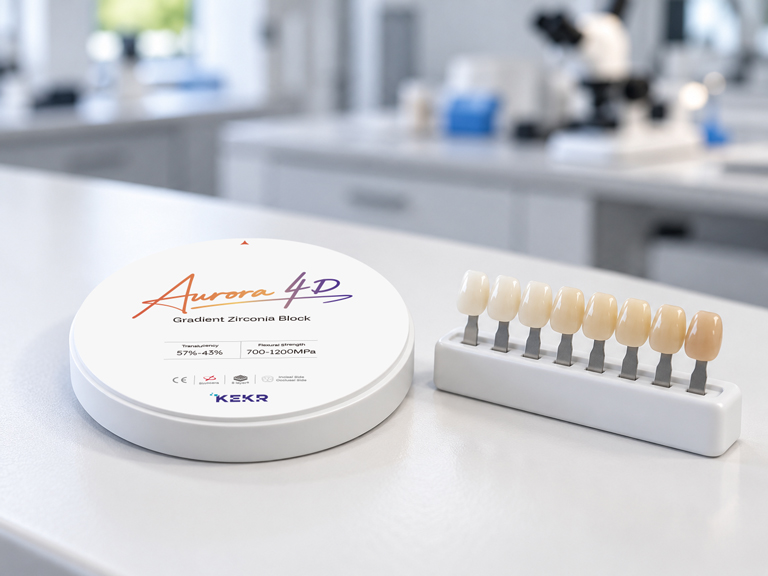
To evaluate a zirconia disc sample, inspect it after milling, check fit after sintering, and review the finished shade and adjustment work. Keep a short record so you can decide whether to repeat the test or place a small trial order.
This is a practical purchasing checklist, not a material certification test. Start with work your lab regularly produces.
Key Takeaways
- Choose a familiar test design and define your lab's acceptance criteria before starting.
- Compare similar restorations, while following each material's own processing instructions.
- Resolve unclear results before expanding the order.
Choose a Representative Test Case
Use a familiar bench test design within the exact product's documented indications. Decide in advance how you will assess fit, appearance, and finishing effort using your lab's existing criteria.
Record the product, lot, shade, and disc thickness. Save the design file and note the milling machine, CAM settings, sintering program, and finishing steps.
For multilayer material, also record where the restoration was positioned in the disc, following the supplier's guidance.
Still choosing the material? Start with our zirconia disc selection checklist.
Check the Result at Each Stage
- After milling: inspect the margins and surface. Photograph visible chips or damage before further processing.
- After sintering: check fit on the intended test model with your usual assessment method. Record where adjustment is needed.
- After finishing: compare the shade with your chosen reference under consistent lighting and background conditions. Note the staining, glazing, or polishing used.
Record adjustment time as well as the final result. A sample that looks satisfactory only after additional work deserves a different purchasing discussion from one that meets your criteria with your usual finishing steps.

Compare the Sample With Your Current Material
Use comparable restoration designs and the same assessment method. Keep the finished test-piece thickness and viewing conditions comparable when judging appearance.
Follow each material's applicable processing instructions. A fair comparison does not require an identical sintering program if the materials need different programs.
Kim and colleagues found that reducing specimen thickness changed color and translucency in the monolithic zirconia they tested. The study used a specific material and shade; it does not establish KEKR product performance.
If a result is unexpected, send the supplier photos, the design file, and your process record. Clarify which setting or step to check next; avoid changing several variables in the same retest.
Keep the observation separate from the diagnosis: “the sample needed adjustment” describes what happened. It does not, on its own, establish why.
Record the Result and the Next Question
Use one record for each trial. Add the material and processing details above this table, then describe what you observed.
| Check | Record | Follow-up question |
|---|---|---|
| Edges and surface | Location of chips or damage; photos after milling | What should we check before repeating the milling step? |
| Fit | Assessment method, adjustment locations, and time | Does the result meet our lab's criteria? |
| Finished shade | Reference, test-piece thickness, viewing conditions, and difference | Were the comparison conditions suitable? |
| Finishing effort | Steps used and additional work required | Is this workflow practical for our regular work? |
| Decision | Unresolved question and agreed next step | Retest, request clarification, or place a trial order? |
Decide Whether to Retest or Place a Trial Order
If the result meets your lab's criteria and the workflow is practical, discuss a small trial order for the material and options evaluated. If fit, shade, or processing remains unclear, resolve that point before expanding the order.
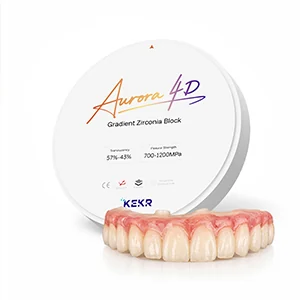
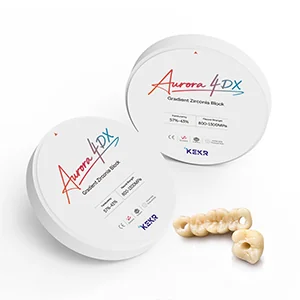
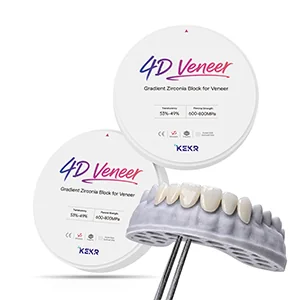
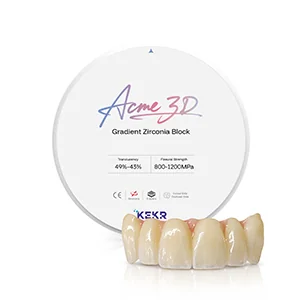
Considering KEKR? Browse our zirconia product range and ask about sample options and processing documents for the exact product. Include your machine model and the work you want to evaluate.
For the inquiry details, use our zirconia disc ordering guide.
References
Kim HK et al. Effect of the amount of thickness reduction on color and translucency of dental monolithic zirconia ceramics. Journal of Advanced Prosthodontics. 2016;8(1):37–42. DOI: 10.4047/jap.2016.8.1.37.